For Case DV201, DV202, DV204 Vibratory Rollers, this reference brings together the listed repair manual material. Start with GENERAL INSTRUCTIONS and follow the relevant document section for the task.
What’s Covered Inside
Manuals: Service Manual
GENERAL INSTRUCTIONS
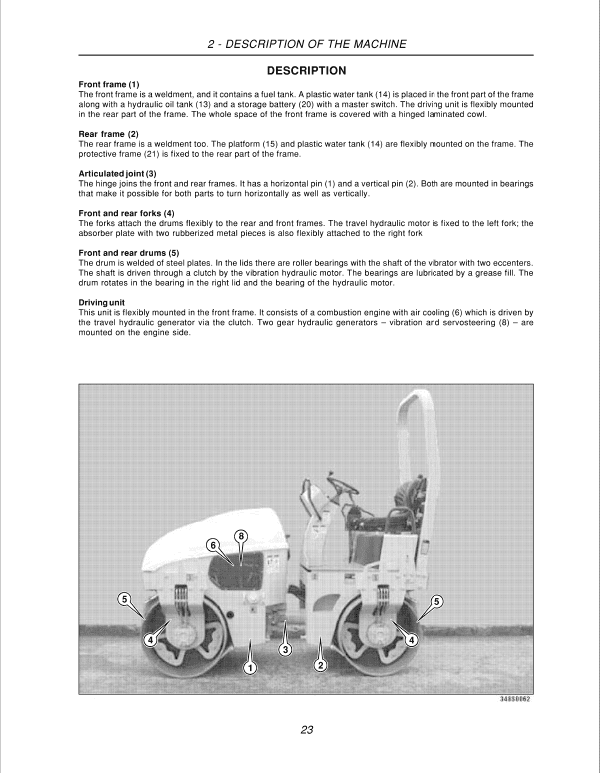
DESCRIPTION OF THE MACHINE
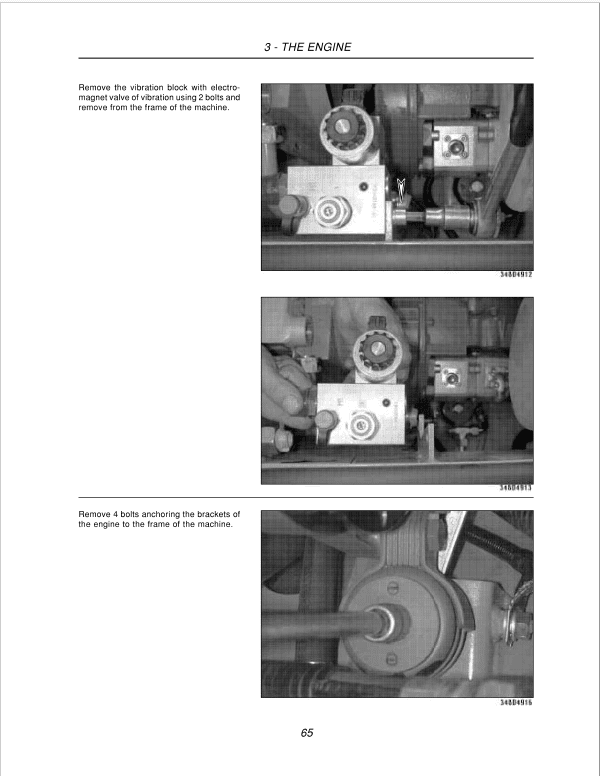
THE ENGINE
DRUM
STEERING JOINT
HYDRAULICS
CONTROL OF GAS
PLATFORM
THE SEAT
THE WATER TANK
SPRINKLING
ROPS FRAME
ELECTRICAL WIRING
APPENDICES
Manual Extract: GREASE & FUEL
GREASE
Use extreme pressure oil, type NLGI grade 2 or CASE Moly disulfide grease.
FUEL
Use fuel which is to ASTM (American Society for Testing and Materials) D975 standard.
Use grade N°2 fuel. The use of other types of fuel can result in a loss of power and may cause high fuel consumption.
When the temperature is very cold, the use of a mixture of N°1 and N°2 fuel is permitted. See your fuel vendor for winter fuel requirements in your area.
If the temperature falls below the fuel cloud point (point at which wax begins to form) the wax crystals will cause power loss or will prevent the engine from starting.
IMPORTANT: In cold weather, fill the fuel tank at the end of the day’s work, in order to prevent the formation of condensation.
Long storage can lead to the accumulation of impurities and condensation in the fuel. Engine trouble can often be traced to the presence of water in the fuel.
The storage tank must be placed outside and the temperature of the fuel should be kept as low as possible.
Drain off water and impurities regularly.
Use publication 9-54980 with the DV201, DV202, DV204 model details to select the appropriate documentation. Refer to GENERAL INSTRUCTIONS within its stated document and equipment scope.


Reviews
There are no reviews yet.